
Concord United Products — Precision solutions for every pelletizing application.
UWP Dies Plates or knives?
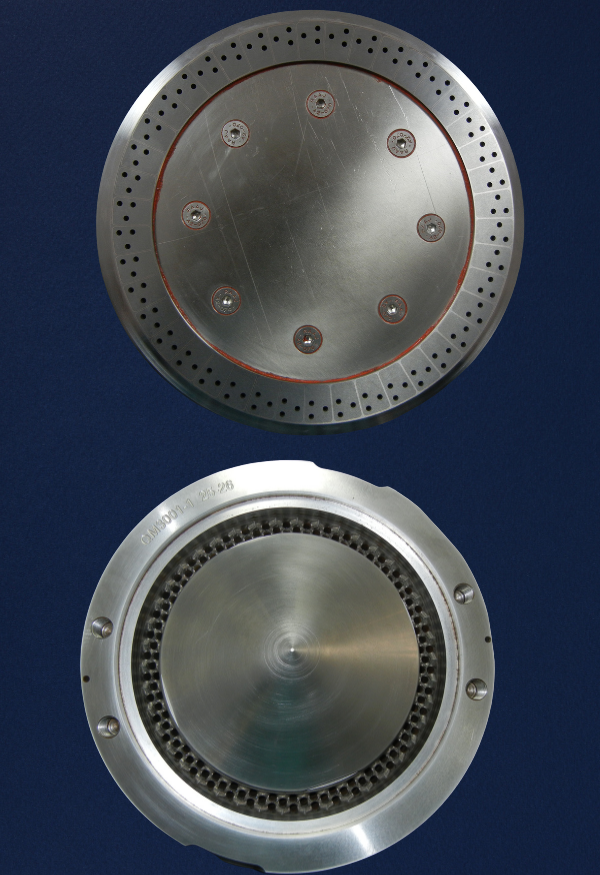
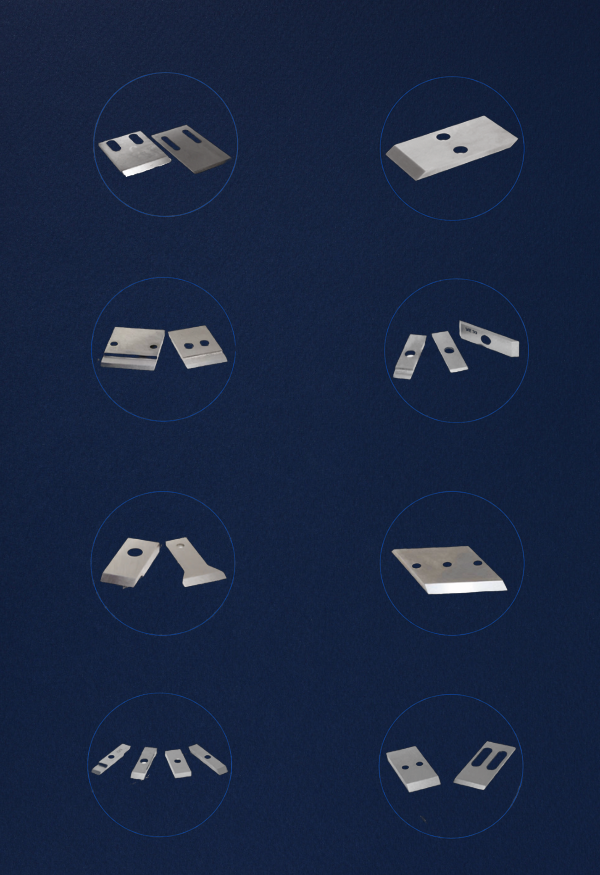
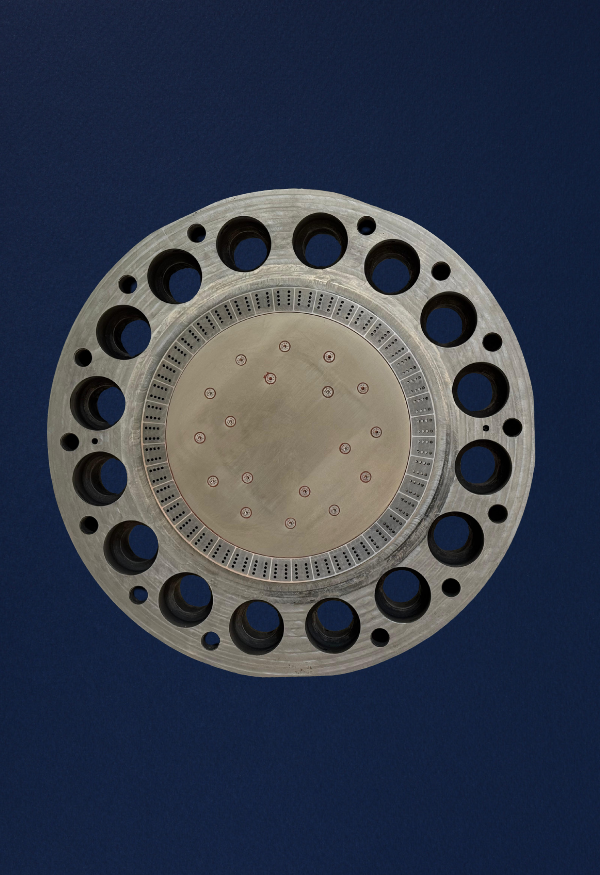
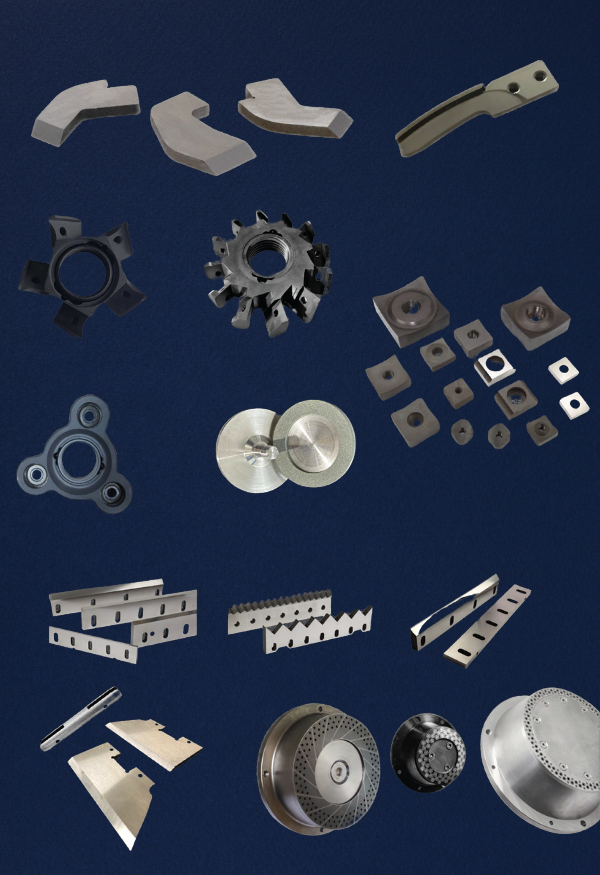








Trusted (UWP) die plates, die assemblies, pelletizer blades, and precision components since 2000
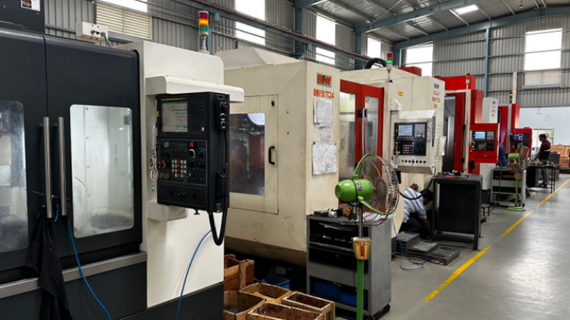
At Concord United Products Pvt Ltd, Customer satisfaction and quality are at the core of everything we do.
We work closely with our clients to understand their requirements and provide reliable solutions for UWP Dies and Knifes based on applications.
Square feet facility
DIe installations
worldwide
Years of Manufacturing Excellence
workforce
Explore Concord range of After-Market Solutions components designed for underwater pelletizing and extrusion systems – delivering durability, accuracy, and performance.
Frequently Asked Questions
Do you offer custom-made blades and dies?
Yes, we manufacture both standard and custom products based on customer drawings, samples, or application requirements.
What causes UWP die plate wear?
Common causes include abrasive polymer materials, glass-filled compounds, mineral-filled polymers, high processing temperatures, excessive pressure, incorrect knife settings, and prolonged operation. Wear can affect die-hole diameter, hole geometry, land length, and pellet quality.
How do I know when my UWP die plate needs replacement or refurbishment?
A die plate may require refurbishment or replacement when you observe increased hole diameter, irregular pellet size, poor pellet shape, excessive pressure, uneven extrusion, damaged carbide inserts, cracks, or reduced production performance.
What is your typical lead time?
Lead times for die plates vary based on product type, customisation and quantity, but for some standard knifes we can deliver within 1-2 weeks.
Why are my pellets coming out different in size?
Inconsistent pellet size can be caused by worn die holes, uneven knife contact, incorrect knife positioning, damaged knives, polymer flow variation, temperature fluctuations, or improper die pressure.
Why are my UWP pelletizer knives wearing quickly?
Premature knife wear can result from incorrect knife-to-die contact, excessive cutting pressure, abrasive polymers, incorrect knife material or hardness, damaged die surfaces, poor knife alignment, or improper sharpening.
How can I troubleshoot excessive pelletizer pressure?
Excessive pressure may be associated with blocked or partially blocked die holes, polymer degradation, incorrect processing temperature, contamination, damaged die geometry, or inadequate die-hole area. Checking the die plate, process temperature, material condition and flow path is recommended.
What causes carbide inserts in a die plate to crack?
Carbide cracking can occur because of thermal stress, improper brazing temperature, uneven heating, incorrect filler material, mechanical impact, residual stress, or excessive operating conditions. Proper vacuum brazing and controlled thermal processing can significantly reduce the risk.
If you have any questions let us know
Do you have any questions? Write to us and our specialists will answer you.